

You know what kills more small businesses than bad products or weak marketing? It’s not even close. In 2026, over 82% of small company failures are still attributed to one thing: poor cash flow management. You can have a packed order book and glowing reviews, but if the money isn’t in the bank when payroll hits, you’re finished. I learned this the hard way in my first consultancy, celebrating a “record month” of invoices while scrambling to cover a tax bill. The disconnect between profit on paper and cash in hand is where dreams go to die.
Key Takeaways
- Cash flow is about timing, not just revenue. Profit is an opinion; cash is a fact.
- A rolling 13-week forecast is your most powerful tool for avoiding crises.
- Your payment terms are a strategic lever. Stop letting clients dictate your liquidity.
- Technology isn't optional. Manual spreadsheets in 2026 are a liability, not a virtue.
- Building a cash reserve isn't conservative; it's the ultimate strategic freedom.
Cash Flow vs. Profit: The Brutal Reality
Let's cut through the accounting fog right now. I used to stare at my P&L, see a healthy margin, and think I was winning. Then a major client paid me 75 days late on a five-figure invoice. My “profit” was useless. I had to take a high-interest short-term loan to cover rent. That’s the lesson: profit is a theoretical concept; cash flow is survival. You can be profitable and bankrupt simultaneously.
Where Does the Gap Come From?
It’s all in the timing mismatch. You pay for inventory, salaries, and software subscriptions now. You get paid by customers later. The longer that gap, the more cash you need to fund your own operations—this is your working capital requirement. A 2025 Federation of Small Businesses survey found that the average SME now waits 72 days for payment. That’s over two months of floating other people’s businesses with your money.
- Sales on Credit: You deliver a service today, invoice net-30, and maybe get paid in 45.
- Upfront Costs: Payroll is every two weeks. Rent is due the 1st. These don’t wait.
- Growth Itself: Landing a big new contract often requires spending more on labor and materials before you see a single cent from it.
The key takeaway? Manage the cycle, not just the total. Your goal is to shorten the time between spending cash and collecting it.
Building a Forecast That Doesn't Lie
If you're not forecasting, you're driving blindfolded. And a static annual budget is worthless for cash flow. Things change too fast. After my loan scare, I switched to a rolling 13-week cash flow forecast. It transformed my business from reactive to proactive. This isn't a complex financial model; it's a simple, living document.
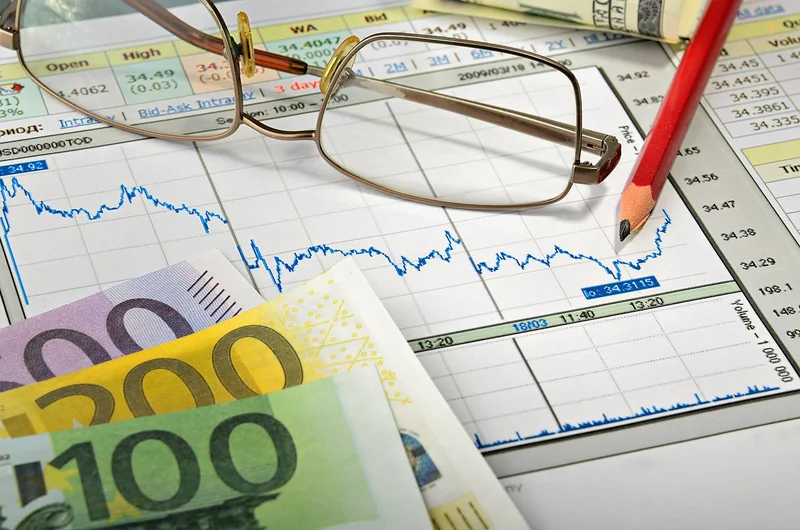
The 13-Week Forecast: Your Crystal Ball
Here’s how it works, stripped down. Every Monday, I update a spreadsheet (now it’s automated software, but the principle is the same) with three columns for each week:
- Cash In: Expected customer payments (based on actual invoices outstanding and realistic close dates for new deals).
- Cash Out: All committed expenditures: payroll, rent, loan payments, tax estimates, scheduled vendor bills.
- Weekly Net Change: In minus Out. This rolls up into your projected bank balance.
The power is in the horizon. You can see a potential shortfall 8 weeks out and act now—by chasing invoices, delaying a non-critical purchase, or arranging a line of credit before you're desperate. It turns panic into planning.
| Week Ending | Projected Cash In | Projected Cash Out | Net Weekly Change | Projected Bank Balance |
|---|---|---|---|---|
| April 4, 2026 | $12,500 | $18,200 | -$5,700 | $41,300 |
| April 11, 2026 | $8,000 | $16,500 | -$8,500 | $32,800 |
| April 18, 2026 | $24,000 | $17,000 | +$7,000 | $39,800 |
See that dip in week two? That’s your early warning signal. Without the forecast, that’s a crisis on April 11th. With it, you have a month to fix it.
Accelerating Cash Inflow: Get Paid Faster
You are not a bank. Stop acting like one. Optimizing inflow is the most direct lever you have. I used to be terrified of annoying clients with payment talk. Then I realized I was essentially financing their operations with my family's financial security. Not okay.
Tactics That Actually Work
These aren't theories. I've tested every one.
- Upfront Deposits or Milestone Payments: For any project over $5k, require 30-50% to start. This covers your initial costs and filters out unserious clients. My project acceptance rate dipped slightly, but my collection risk plummeted to zero.
- Shrink Payment Terms: Net-30 is a relic. Move to Net-14 or even Net-7. For repeat clients, offer a small discount (1-2%) for payment on receipt. The math almost always works in your favor.
- Automate and Simplify Invoicing: Use software that sends invoices instantly upon delivery, with a "Pay Now" button linking directly to credit card or ACH. Reducing friction reduces delay. One client's average payment time dropped from 42 days to 11 just by implementing this.
The insider trick? Pick up the phone. When an invoice is a day overdue, a friendly, curious call (“Hi, just making sure you received the invoice and everything was clear?”) works wonders. It’s human and proactive, not a faceless collection email.
Managing Outflow Without Stifling Growth
Controlling what goes out isn't about being cheap. It's about being strategic. You need to ruthlessly prioritize expenses that drive growth and flexibility over those that lock you in.
The Strategic Outflow Framework
Ask this for every recurring cost: Is this an Operational Necessity, a Growth Driver, or just Convenience?
- Negotiate Everything: SaaS subscriptions, insurance, rent at renewal. Vendors expect it. I saved 22% on a core software suite just by asking for a better annual rate.
- Emplace Variable Costs: Can you use freelancers or part-time help instead of a full-time salary during uncertain periods? Opt for commission-based marketing?
- Schedule Payments Strategically: Align bill payments with your expected cash influx. If you know big checks clear mid-month, schedule vendor payments for the 20th, not the 1st.
The biggest mindset shift? View every dollar going out as an investment. What’s the return? If it’s not clear, delay or cut it.
Tools & Tactics for 2026 and Beyond
The landscape has evolved. What was best practice five years ago is now a handicap. Manual Excel sheets are a liability—prone to error and too slow. Your cash flow management needs to be integrated and real-time.
Modern Cash Flow Software: Non-Negotiable
In 2026, your accounting software, bank accounts, and invoicing platforms should be talking to each other. Tools like Float, Pulse, or the cash flow modules in platforms like QuickBooks Online Advanced use live data to update your forecast automatically. The benefit isn't just time saved; it's accuracy and scenario planning. You can ask, “What if I hire that new salesperson in June?” and see the cash impact instantly.
Another 2026-specific tactic? Exploit Open Banking. With secure permission, these tools can access your bank transaction data in real-time, categorizing inflows and outflows automatically. This kills the data entry lag that made old forecasts stale. It’s the difference between a map and a live GPS with traffic updates.
Building the Buffer: The Cash Reserve
My final, non-negotiable rule. Aim for a cash reserve equal to 3-6 months of operating expenses. I know it sounds huge. Start with a goal of one month. This reserve is not for expansion or bonuses. It’s your shock absorber for the next economic dip, late payer, or unexpected opportunity. It’s what lets you say no to bad deals and yes to strategic investments without panic. Funding this is your top financial priority after paying essential bills.
Your Next Move: From Reading to Doing
Look, this isn't just another business article to skim and forget. Your company's pulse is its cash flow. You can know everything about your product and market, but if you lose control of the cash, none of it matters. We've moved beyond basic bookkeeping into the realm of strategic financial agility. The businesses that thrive in the late 2020s won't be the ones with the most revenue, but the ones with the most resilient cash systems.

So here is your concrete, immediate call to action: Block 90 minutes on your calendar this week. In that time, do just two things. First, pull your bank statements and list out every single recurring expense for the last three months. Second, based on your current receivables, create a simple 4-week cash projection. That’s it. You don't need a perfect system today; you need to start seeing the pattern. That first glimpse of your own cash cycle is the moment you stop being a passenger in your business and start being its pilot.
Frequently Asked Questions
What's the single biggest cash flow mistake you see small companies make?
Mixing personal and business finances. It creates chaos. You can't track what you can't see. Get a dedicated business checking account today. Every transaction for the business flows through it. This is step zero for any meaningful cash management.
How often should I update my cash flow forecast?
At minimum, weekly. Every Monday morning is my ritual. It takes 15 minutes with modern software. The value isn't in the occasional deep dive; it's in the consistent, weekly touchpoint that keeps the reality of your bank balance front and center in your decision-making.
Is it worth offering discounts for early payment?
Almost always, yes. Run the numbers: A 2% discount for payment within 10 days versus net-30 is an annualized return of over 36% for you (because you get the money 20 days early). That's a fantastic return on capital. It also attracts clients who value efficiency and have their own finances in order.
I'm consistently tight on cash. Should I just focus on getting more sales?
This is the most dangerous reflex. More sales often worsen cash flow in the short term (more upfront costs, longer receivable cycles). Before chasing sales, diagnose your cycle. Can you collect faster? Can you negotiate better terms with suppliers? Fix the leak in the bucket before you pour more water in.
When should I consider a line of credit for cash flow?
When you're not in crisis. Banks want to lend to people who don't desperately need it. Set up a line of credit as a strategic buffer when your finances are healthy. Then, use it to smooth out predictable dips in your forecast (like seasonal inventory purchases), not to cover emergencies caused by poor management.


